Harvest
Following the ingredients from the hive to the warehouse.
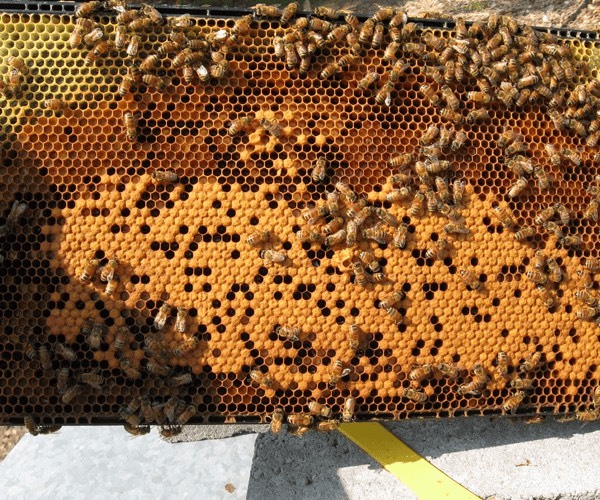
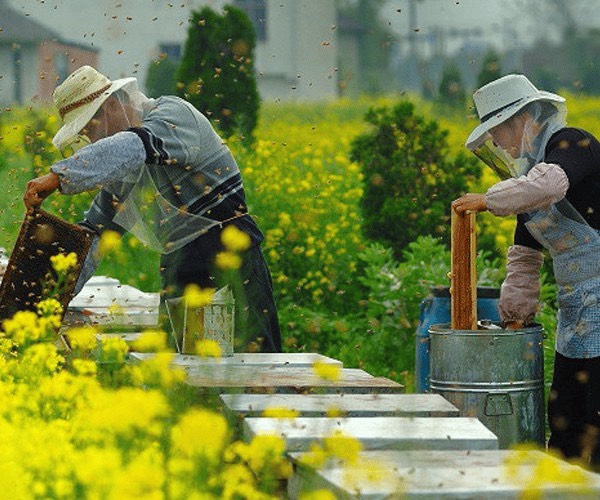
The annual harvest of propolis, bee pollen and royal jelly typically runs from March to September. Through the season, we monitor collection, quality, transport and storage conditions.
Bee pollen
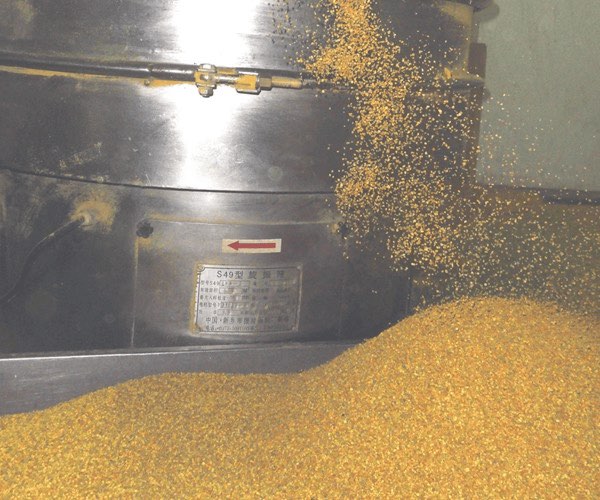
Foraging bees carry pollen back to the hive, where it’s collected, then sieved.
Bee pollen forms and specs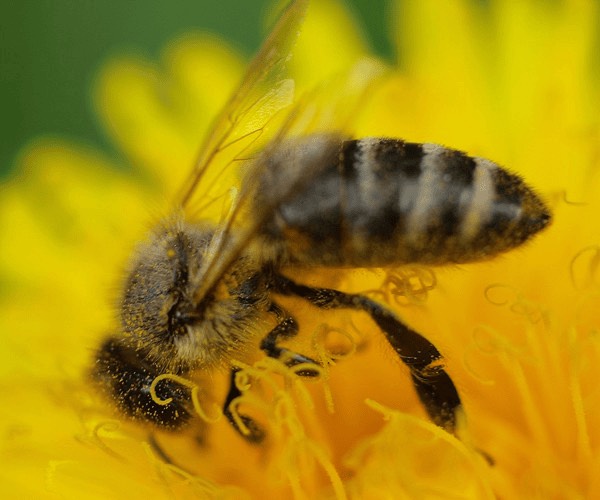
Propolis
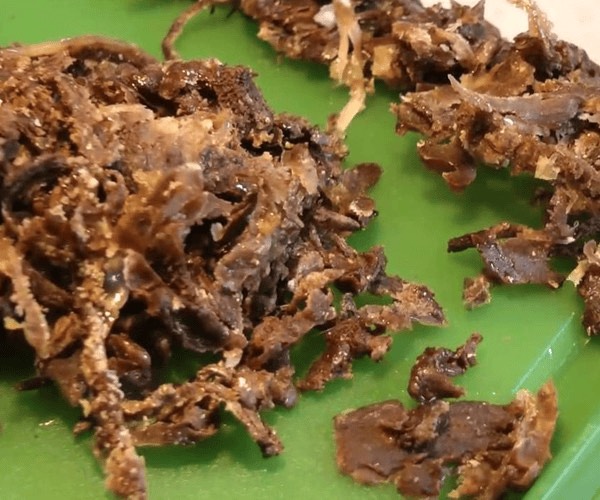
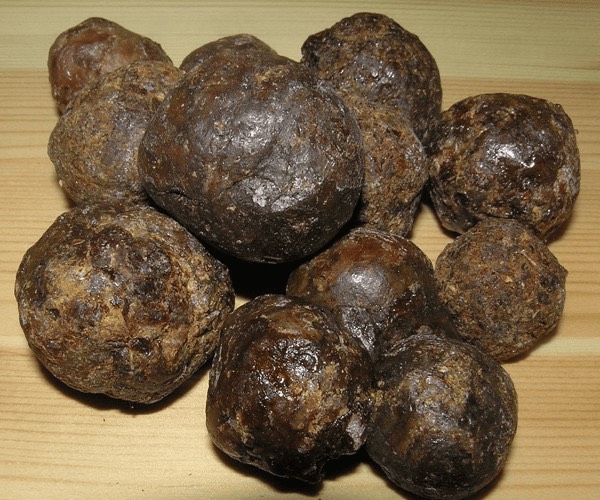
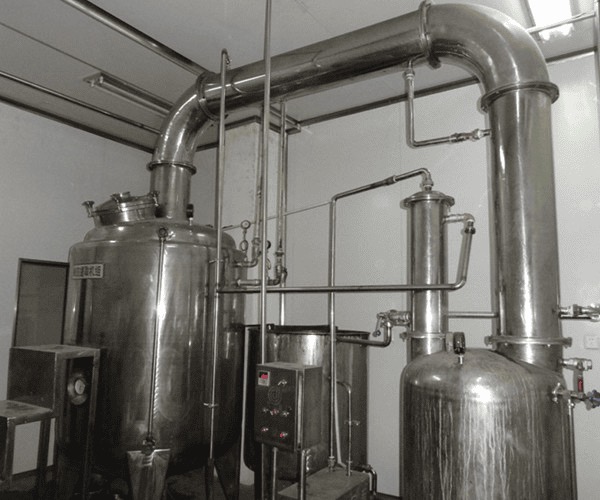
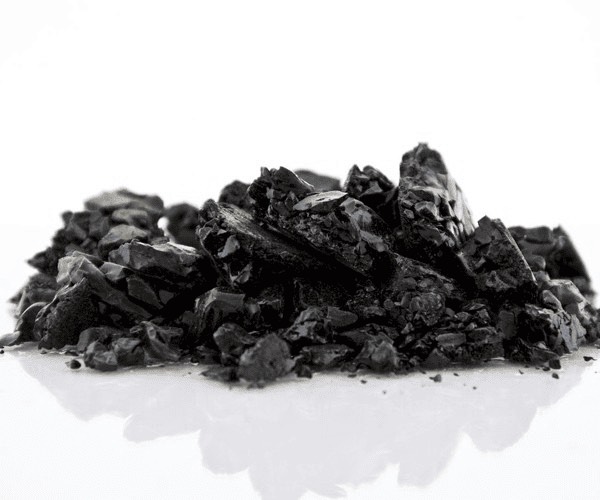
Bees seal the hive with propolis. It’s scraped from the hive, gathered into balls, then extracted.
Propolis forms and specs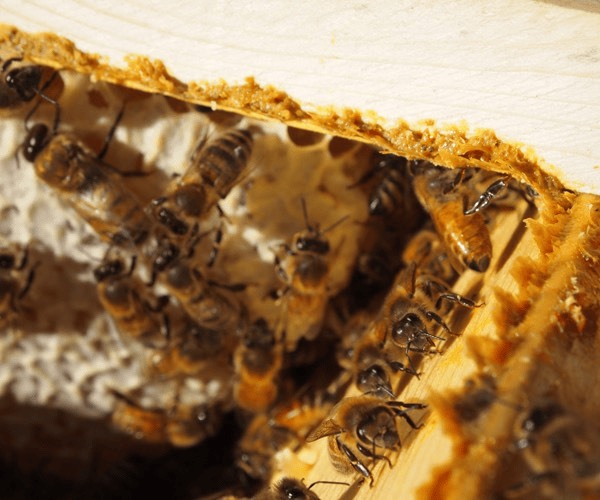
Beeswax
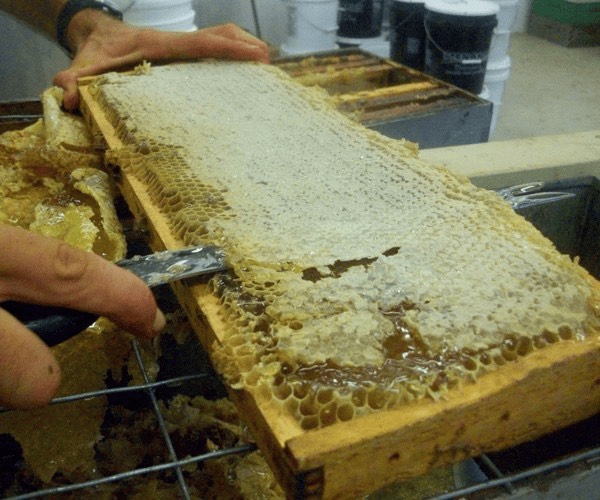
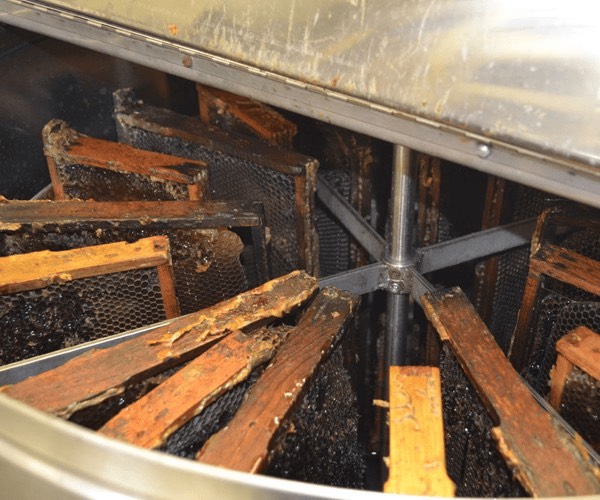
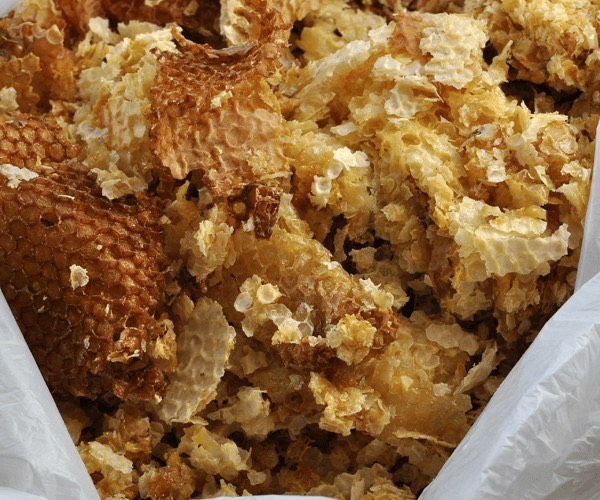
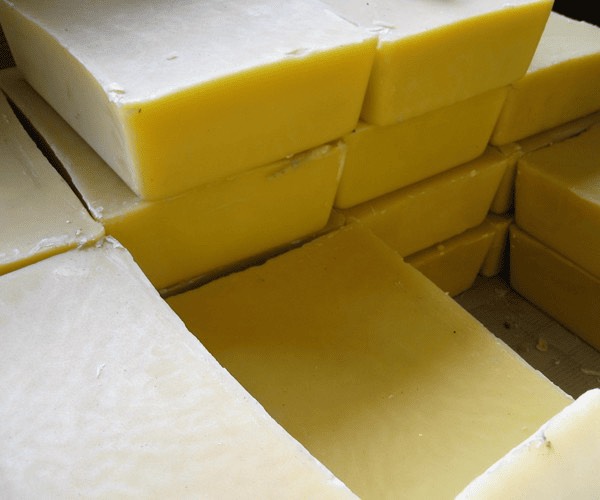
Beeswax comes from the comb. Wax cappings cut from honey frames, and old comb, are melted down and cast into blocks.
Beeswax forms and specs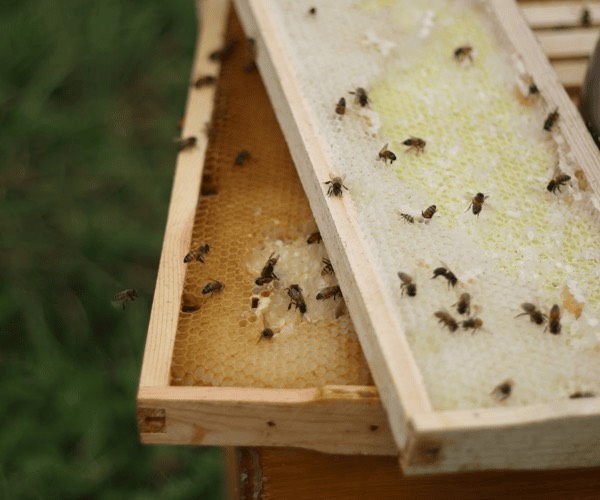
Royal jelly
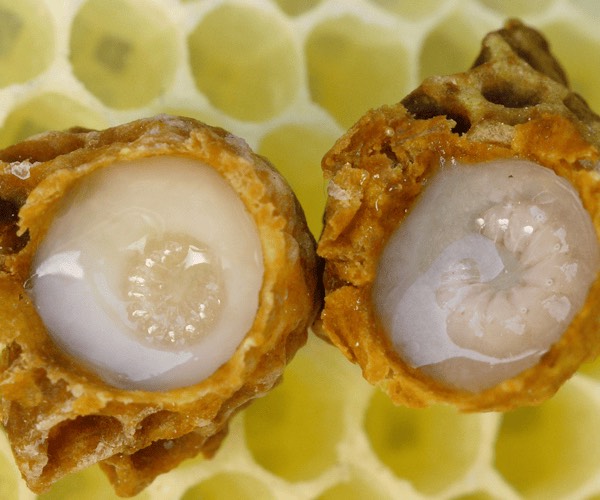
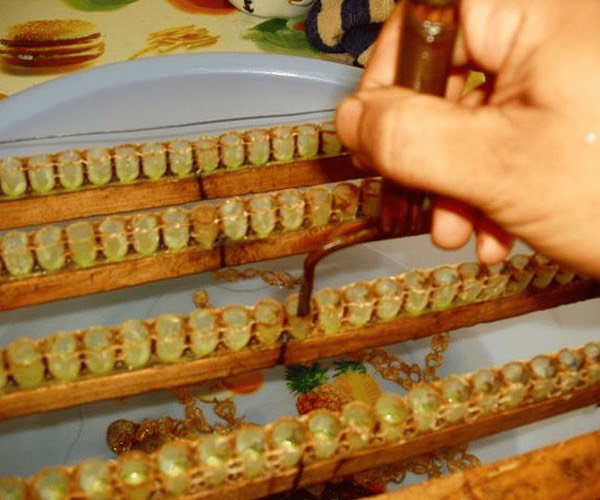
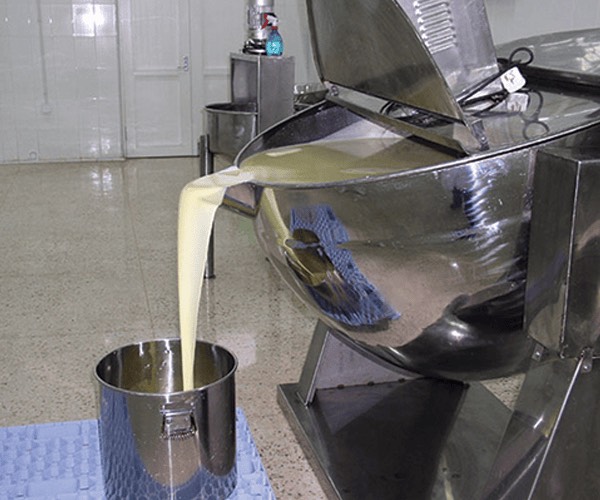
Worker bees fill queen cells with royal jelly. It’s collected from the cells by hand, then processed.
Royal jelly forms and specs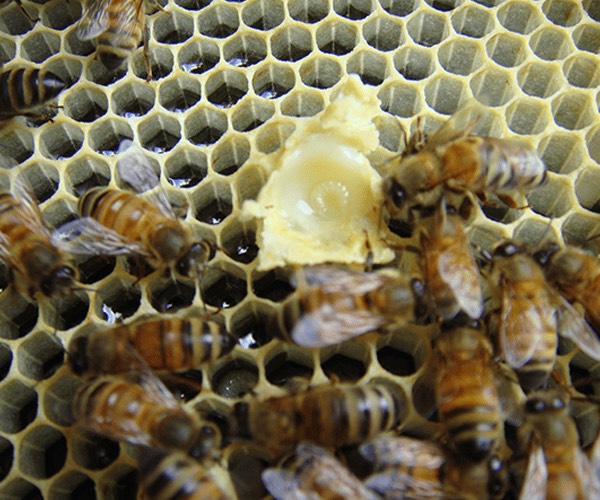
Processing and storage
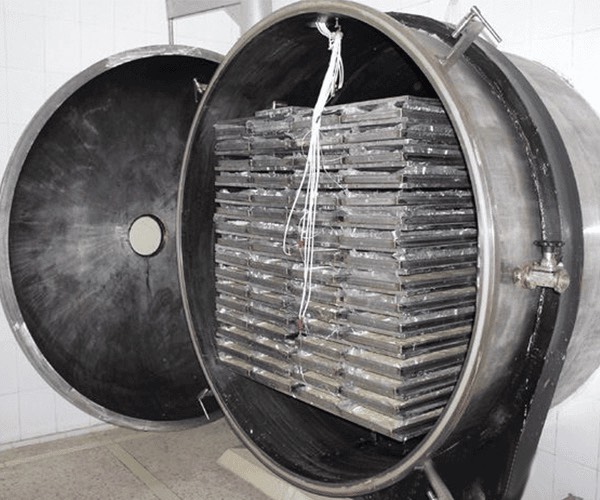
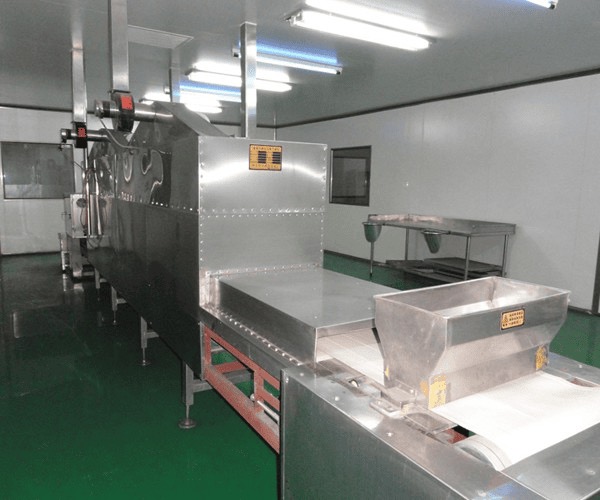
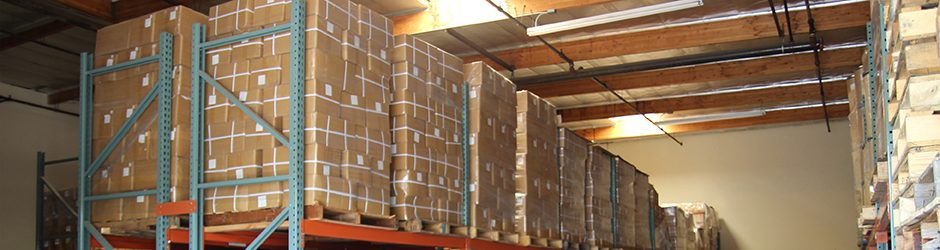
Ingredients are processed in our FDA-registered facilities in the US and China, managed from our Los Angeles headquarters. We hold raw material stock through the year to help keep production consistent between harvests.
See the ingredients for yourself.
Tell us the product, form and grade you’re formulating with, and we’ll match a sample to your spec.